
Standoff Balustrade
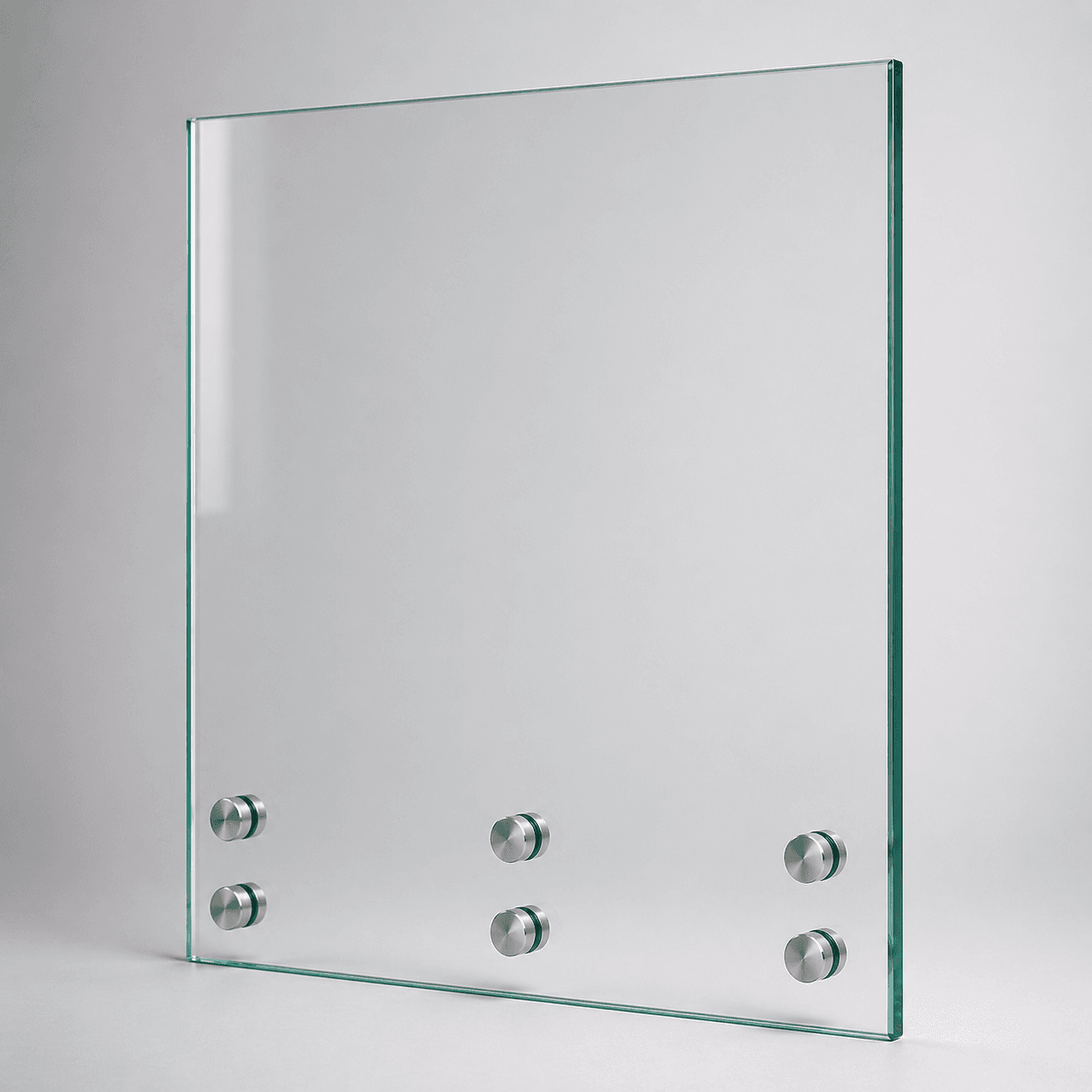
Point-fixed 15mm glass that looks like it's floating - fixed off the face of the structure, an engineered system built to meet the standards.
Not sure what you need?
Use the calculator to build your exact, compliant materials list, priced and ready to buy.
Browse Standoff 15mm

Glass Panels 1280mm High
14 productsGlass Panels 1280mm High: part of the Standoff 15mm system within Glass Balustrade. Browse the listing or use the calculator to build a complete BOM.

Standoffs
20 productsStandoffs: part of the Standoff 15mm system within Glass Balustrade. Browse the listing or use the calculator to build a complete BOM.

Handrail
24 productsHandrail: part of the Standoff 15mm system within Glass Balustrade. Browse the listing or use the calculator to build a complete BOM.

Fixings
19 productsFixings: part of the Standoff 15mm system within Glass Balustrade. Browse the listing or use the calculator to build a complete BOM.

Tools & Accessories
5 productsTools & Accessories: part of the Standoff 15mm system within Glass Balustrade. Browse the listing or use the calculator to build a complete BOM.
Why standoff
- The floating look. Nothing under the glass - the panels are held off the face of the structure, so the rail reads as pure glass. It's the most architectural of the frameless options.
- Premium, and honest about it. Standoff sits above spigots in the glass range; it's the finish you choose when the rail is a feature, not just a barrier. If your structure or budget points to spigots instead, Joe will tell you straight rather than sell you up.
- A properly engineered system. Point-fixed glass is engineered and tested to the standards - not a generic kit bolted up and hoped through. The calculator keeps your configuration within the parameters the engineering covers, including the substrate.
- The calculator de-risks the two hard parts. Fixed hole positions and substrate load are exactly where standoff jobs fail - the calculator sizes the panels and flags the substrate before you order.
- Clean off stairs and edges. Face-fixing suits stairs and slab edges where you don't want spigots eating into the floor.
The compliance bit, straight
A balustrade answers to the National Construction Code, with AS 1170 setting the loads and AS 1288 governing the glass. For a point-fixed glass rail:
- Height. At least 1000mm from the floor to the top of the rail - higher in some cases. The calculator sets the exact figure.
- Gaps. No gap that lets a 125mm sphere through, at the bottom or anywhere along the run.
- Load. The glass and its point fixings have to take the AS 1170 loads and transfer them into the structure without failing - which is why the fixing detail and the substrate are part of the engineering, not guessed.
- Handrail. Required on stairs and certain fall heights, or where the glass edge isn't a compliant handrail. The calculator tells you when.
It's an engineered system, designed and tested to meet the standards when it's installed within the engineering parameters - and the calculator only builds you a configuration that stays inside them. That's our Engineered to AS 1170 & AS 1288 approach: it doesn't hand you a site-specific engineer's certificate for your address - final sign-off for your property is your building surveyor's - but what you install is a properly engineered, standards-compliant system. If the balustrade also forms a pool barrier, AS 1926.1 (100mm gaps, non-climbable zone) applies on top, and the calculator handles it.
How it works and what's included
What this is
Standoff is the premium frameless look. Instead of standing the glass on spigots, the panels are point-fixed - bolted through discreet stainless standoffs that hold the glass a clean gap off the face of the slab, beam or stair. Done right, the rail reads as floating glass with almost nothing holding it up. It's a step up from spigots on both look and price.
Two things make or break a standoff job, and the calculator handles both. First, the glass is drilled at the factory - once those holes are in, you can't move them, so the panel sizing and hole positions have to be right before it's made. Second, standoffs load the structure hard at a few points, so the slab, beam or render they fix to has to be sound - the most common standoff failure is a fixing pulling out of a substrate that couldn't take it. It's an engineered system, designed and tested to meet the standards when it's installed within the engineering parameters - and the calculator keeps your configuration inside them: it sizes the panels and flags where your substrate needs checking.
What's in a complete kit
- The glass. 15mm toughened (heat-soaked) safety glass, pre-drilled at the factory for the standoff bolts. Because the holes are fixed, the panel sizing has to be solved before the glass is made - the calculator does that.
- The standoffs. Marine-grade stainless point fixings that bolt through the glass and off the face of the structure, leaving the floating gap. Side-mount (off a vertical face) or face-mount depending on your edge.
- The structure underneath. Point fixings concentrate the load, so the slab, beam or wall has to carry it - a weak or rendered edge is the classic failure. Sound structure is one of the engineering parameters the system depends on; the calculator flags where it has to be checked.
- Handrail, or not. Whether a top rail is required depends on fall height and configuration - the calculator tells you for your situation.
- The finish. Polished stainless for coastal, satin for sheltered or internal. Clear glass by default.
Standoff balustrade FAQ
What is a standoff (point-fixed) balustrade?
It's a frameless glass rail where the panels are bolted through stainless standoffs and held a clean gap off the face of the structure, so the glass appears to float. It's the premium frameless look, a step up from spigots.
How is standoff different from spigots?
Spigots stand the glass up from below on a no-hole friction grip; standoffs bolt through pre-drilled glass off a vertical face or edge for the floating look. Standoff is dearer and more architectural, but it's fussier about the structure it fixes to and the glass can't be re-drilled on site.
Is standoff engineered to be compliant?
Yes. Point-fixed glass is an engineered system - designed and tested to meet the NCC and the relevant Australian Standards (AS 1170 loads, AS 1288 glass and fixings) when it's installed within the engineering parameters, including a substrate that can carry the point loads. The calculator keeps your configuration inside those parameters. It doesn't come with a site-specific engineer's certificate for your address, and final sign-off for your property is your building surveyor's - but what you install is a properly engineered, standards-compliant system, not a generic kit.
Can I install a standoff balustrade myself?
Yes, if the structure is sound and you work to the plan. The glass is pre-drilled so there's no on-site drilling of the panel, but the fixing has to land in something that can carry the load. The calculator sizes the panels and flags where the substrate needs checking before you order.
Why is the glass pre-drilled, and can I change the holes?
The holes are drilled before the glass is toughened, toughened glass can't be drilled afterwards without shattering. So the hole positions are fixed, the calculator solves them from your measurements, and you can't move them on site. Measure once, properly.
What can standoffs fix to?
A structural slab, beam or wall that can carry concentrated point loads: a sound substrate is one of the engineering parameters the system depends on. A weak or rendered edge is the classic failure, with standoffs pulling out months later. The calculator flags where the substrate has to be checked.
Is standoff more expensive than spigots?
Yes - standoff sits above spigots in the glass range. You're paying for the floating look and the point-fixed hardware. We're supply-only, so the calculator gives an exact materials total for your run, with install labour separate.
Do I need a handrail on a standoff balustrade?
It depends on the fall height and where it is, stairs and higher balconies often need one. The calculator tells you for your situation rather than leaving you to guess.
Start here
Open the calculator for your exact glass, standoff and fixing count, within the engineering parameters, in a few minutes. Or ask Joe, 30 years on the tools, straight answers, no sales pitch.
Open the calculatorBrowse products
Not sure what you need? Use the calculator above.
82 products


SER35-R5800-B
35 Series 5800mm top-mount railing in Black - the base extrusion of the 35 Series top-mount handrail range.
$178.05inc GST

SER35-R5800-M
35 Series 5800mm top-mount railing in Mill - the base extrusion of the 35 Series top-mount handrail range.
$159.25inc GST

SER35-R5800-MW
35 Series 5800mm top-mount railing in Matt White - the base extrusion of the 35 Series top-mount handrail range.
$178.05inc GST
SER35-R5800-SA
35 Series 5800mm top-mount railing in Satin Anod - the base extrusion of the 35 Series top-mount handrail range.
$216.40inc GST


SER35-WPLATE-B-2PK
35 Series flat wall plate in Black - 2-pack of slimline flat wall plates for 35 Series top-mount railing terminations.
$8.40inc GST

SER35-WPLATE-M-2PK
35 Series flat wall plate in Mill - 2-pack of slimline flat wall plates for 35 Series top-mount railing terminations.
$8.10inc GST

SER35-WPLATE-MW-2PK
35 Series flat wall plate in Matt White - 2-pack of slimline flat wall plates for 35 Series top-mount railing terminations.
$8.40inc GST

SER35-WPLATE-SA-2PK
35 Series flat wall plate in Satin - 2-pack of slimline flat wall plates for 35 Series top-mount railing terminations.
$10.95inc GST

SER35-WBEXT-B
35 Series EXTENDED wall bracket in Black - longer-reach bracket for thicker wall substrates.
$20.20inc GST

SER35-WBEXT-MW
35 Series EXTENDED wall bracket in Matt White - longer-reach bracket for thicker wall substrates.
$20.20inc GST

SER35-WBEXT-S
35 Series EXTENDED wall bracket in Satin - longer-reach bracket for thicker wall substrates.
$16.80inc GST


SER35-J90-SA
35 Series 90° joiner in Satin Anod - 90° corner connector for the 35 Series top-mount railing.
$6.55inc GST


Not sure what you need?
Use the calculator to build your exact, compliant materials list, priced and ready to buy.