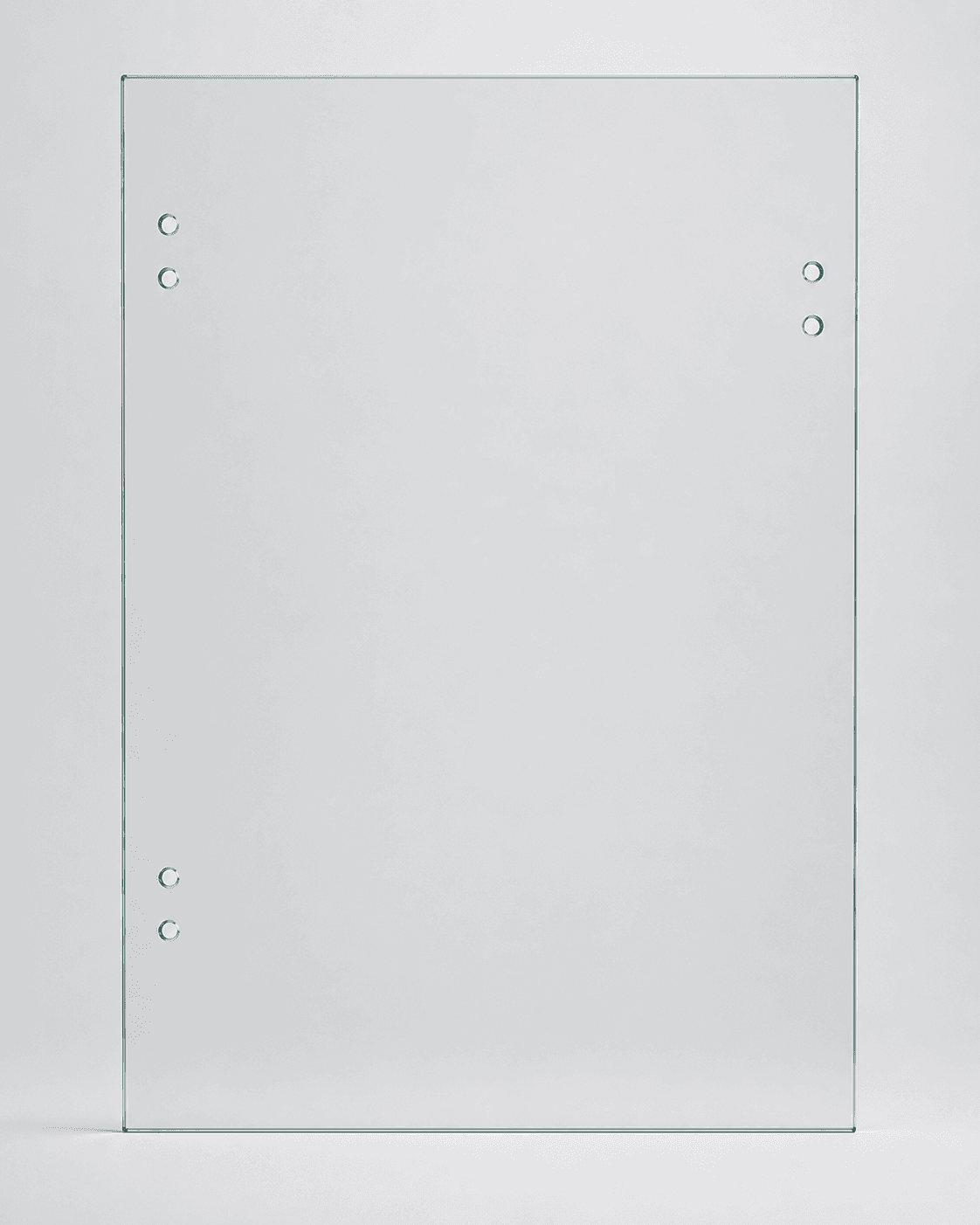
Frameless Glass Pool Fencing Spigots
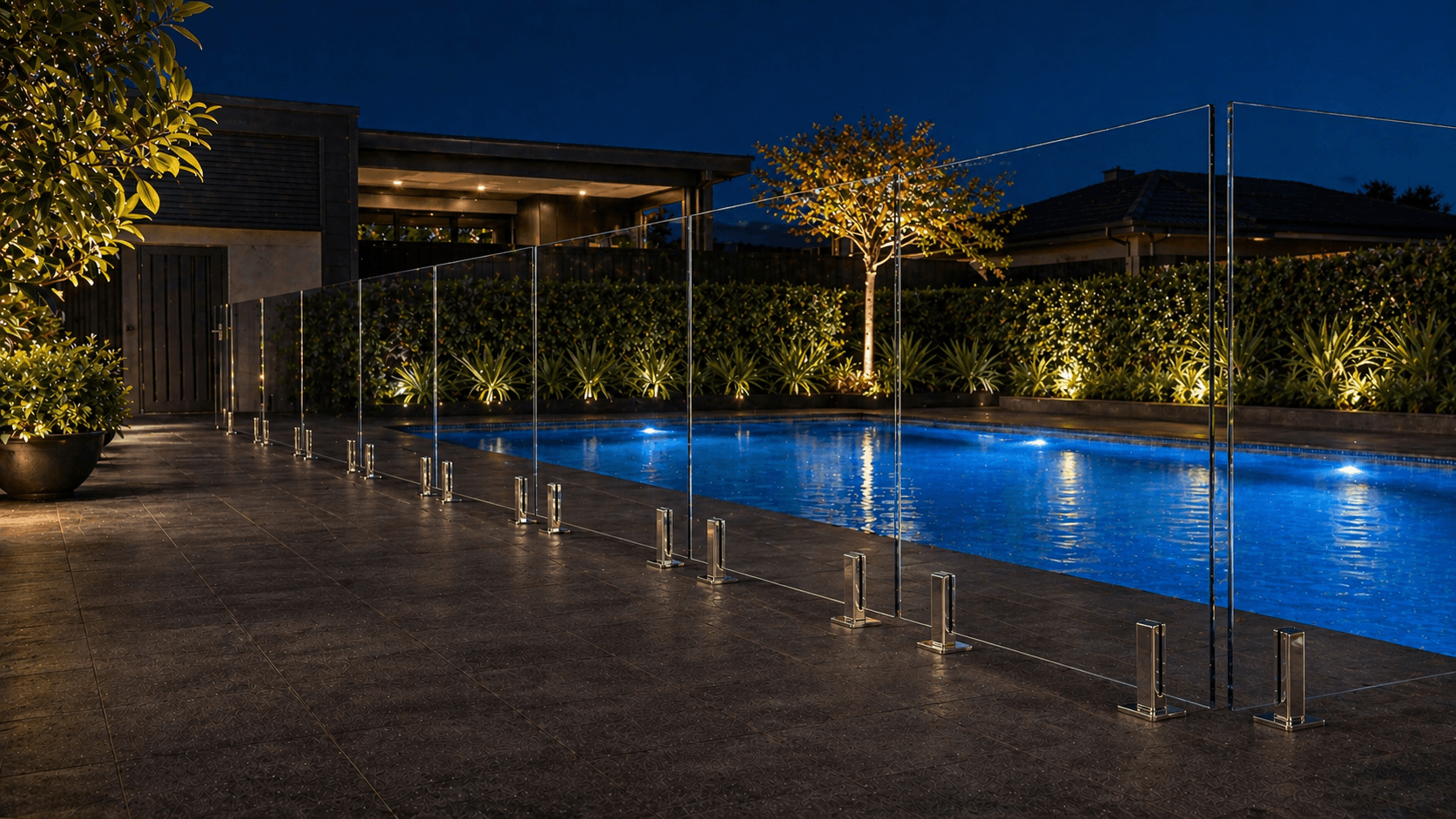
Spigot-mounted frameless glass pool fence, 12mm toughened panels on stainless spigots, core-drilled into concrete or base-plated onto a slab. The calculator sizes the panels and builds it to AS 1926.1.
Not sure what you need?
Use the calculator to build your exact, compliant materials list, priced and ready to buy.
Browse Spigots

Spigots
111 productsSpigots: part of the Spigots system within Glass Pool Fencing. Browse the listing or use the calculator to build a complete BOM.

Glass Panels
42 productsGlass Panels: part of the Spigots system within Glass Pool Fencing. Browse the listing or use the calculator to build a complete BOM.
Gates
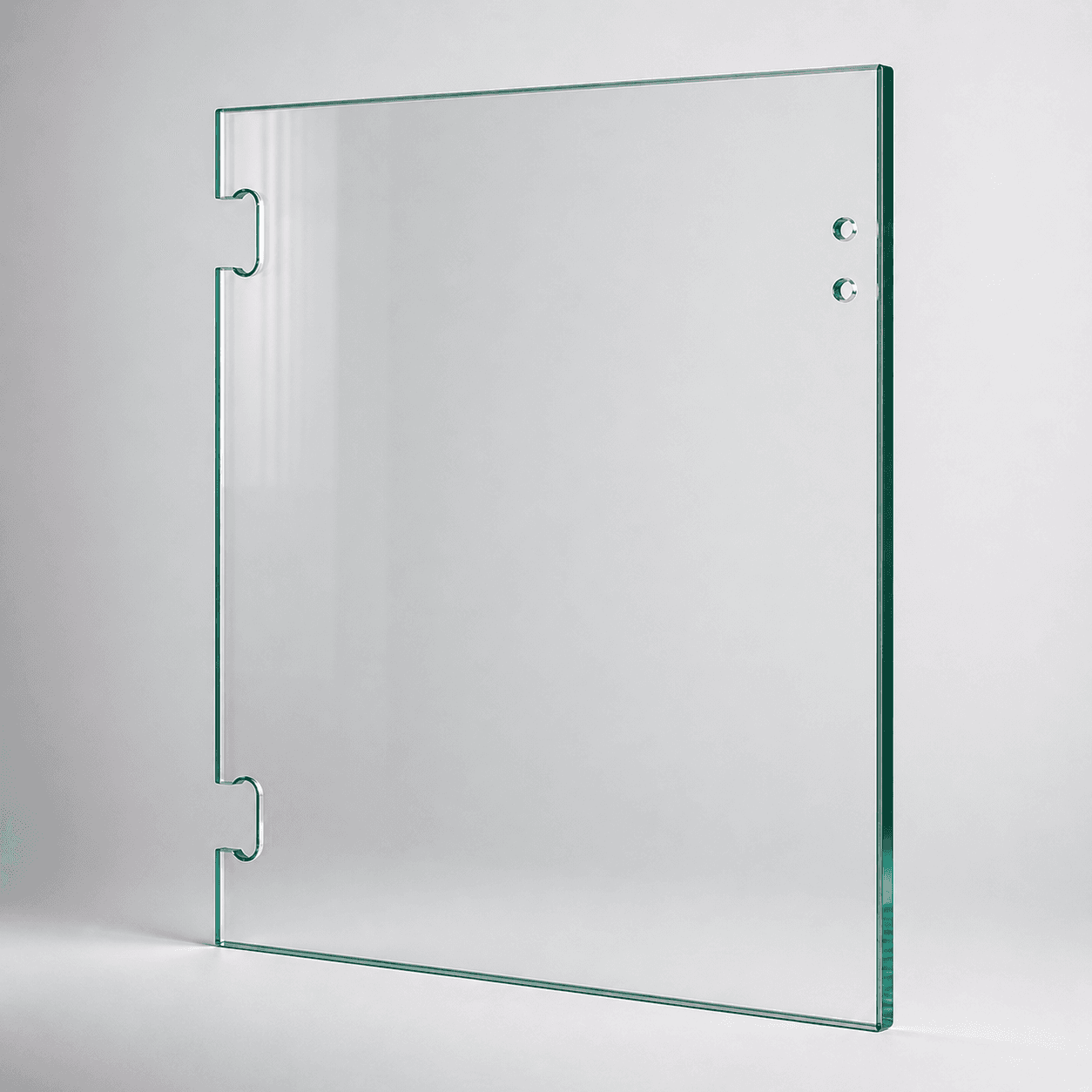
30 productsGates: part of the Spigots system within Glass Pool Fencing. Browse the listing or use the calculator to build a complete BOM.

Hinges & Latches
69 productsHinges & Latches: part of the Spigots system within Glass Pool Fencing. Browse the listing or use the calculator to build a complete BOM.

Clamps
42 productsClamps: part of the Spigots system within Glass Pool Fencing. Browse the listing or use the calculator to build a complete BOM.

Stainless Steel Posts
21 productsStainless Steel Posts: part of the Spigots system within Glass Pool Fencing. Browse the listing or use the calculator to build a complete BOM.

Fixings & Grout
21 productsFixings & Grout: part of the Spigots system within Glass Pool Fencing. Browse the listing or use the calculator to build a complete BOM.

Tools & Accessories
10 productsTools & Accessories: part of the Spigots system within Glass Pool Fencing. Browse the listing or use the calculator to build a complete BOM.
AS1926 Pool Fence Compliant
- 1200mm minimum barrier height
- Maximum 100mm gaps at the bottom
- Self-closing, self-latching gates
Core-drill or base-plate?
How it goes together
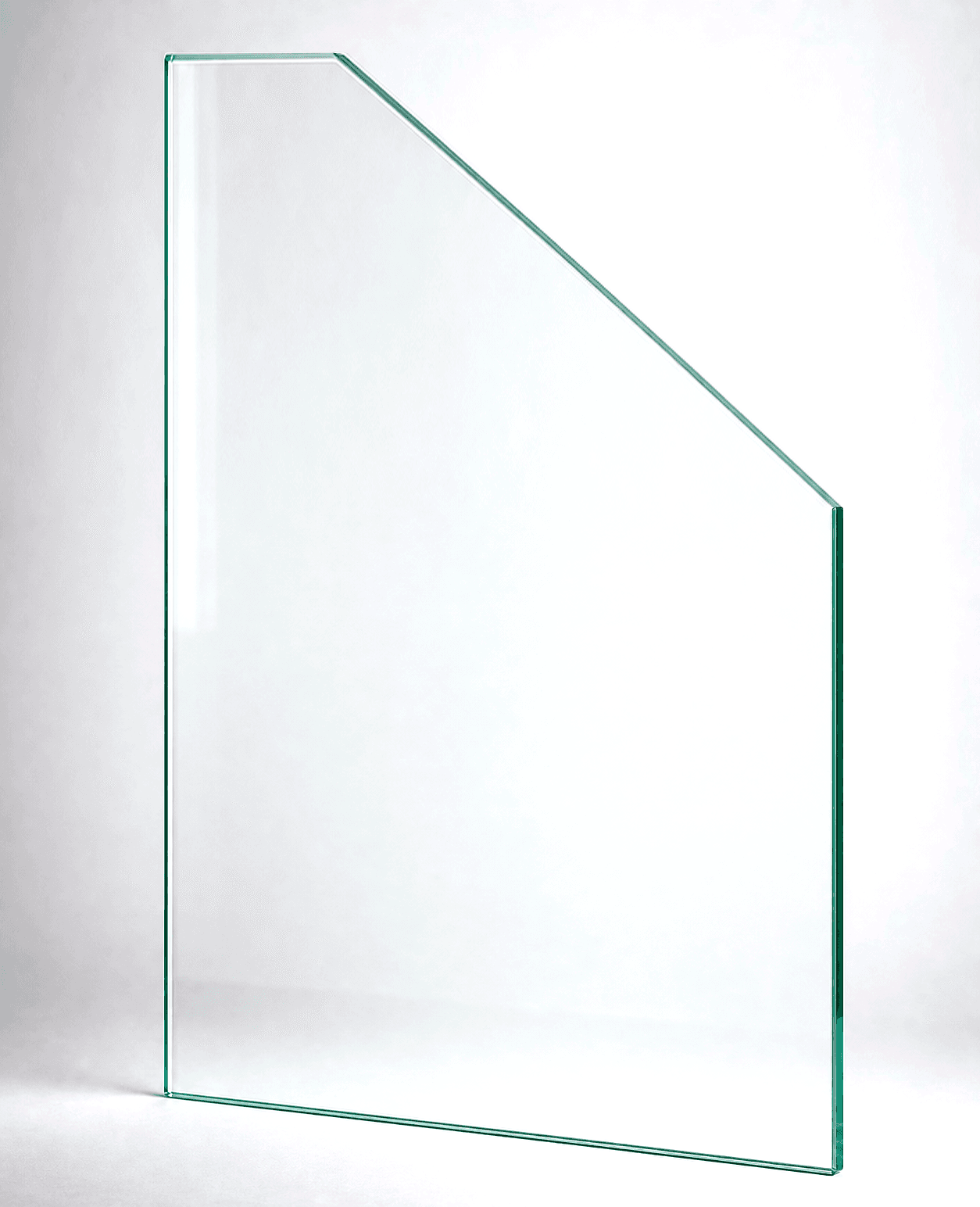
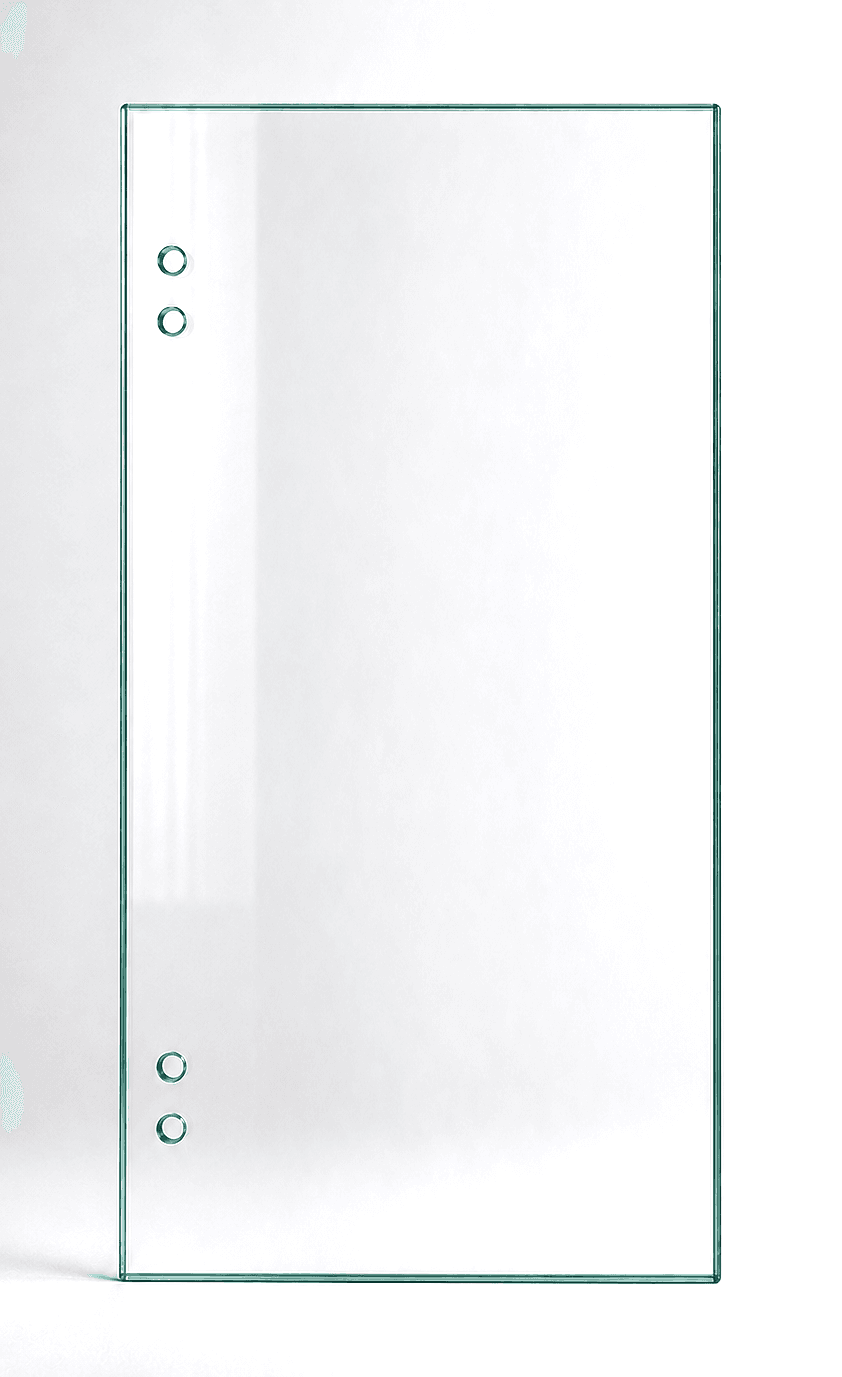
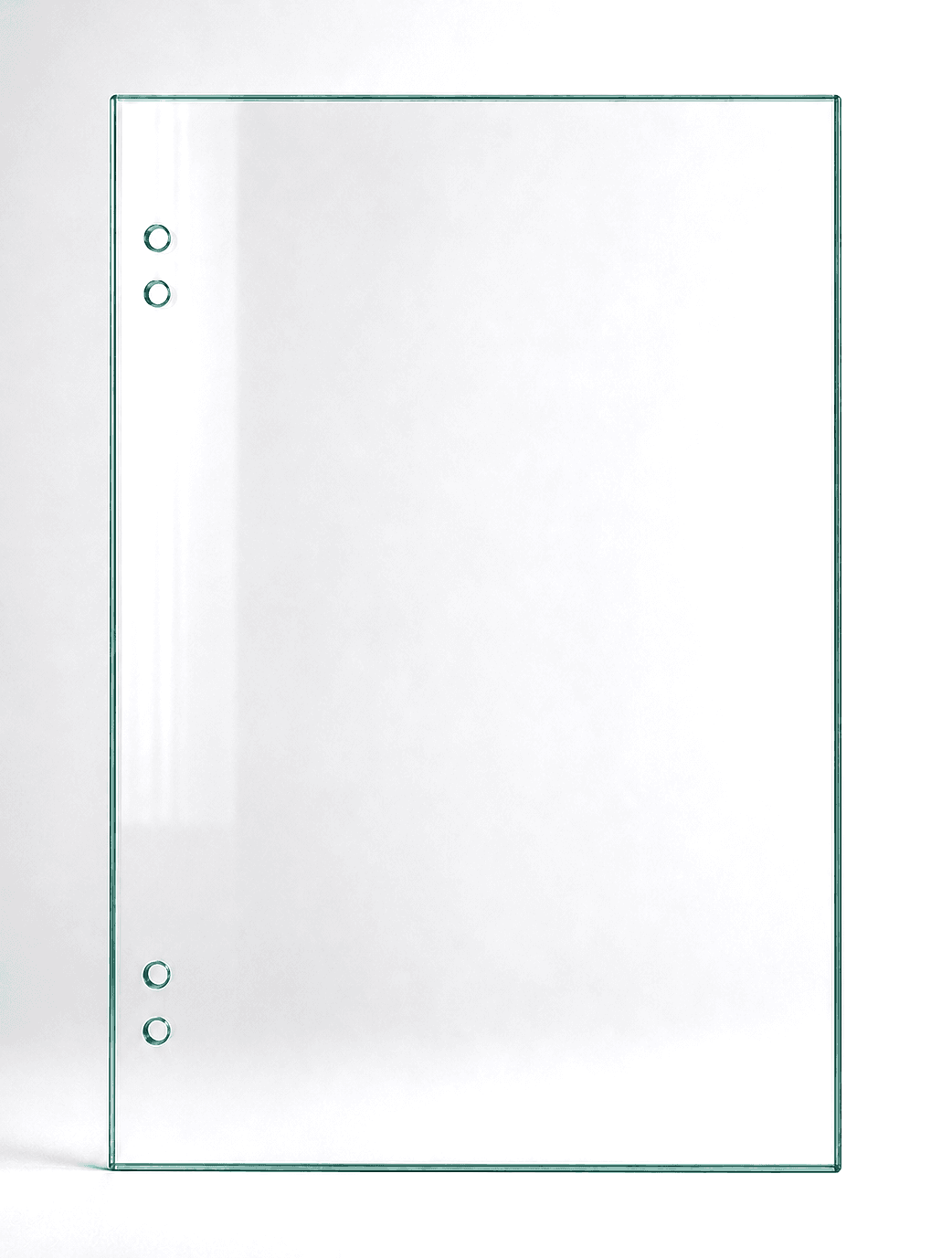
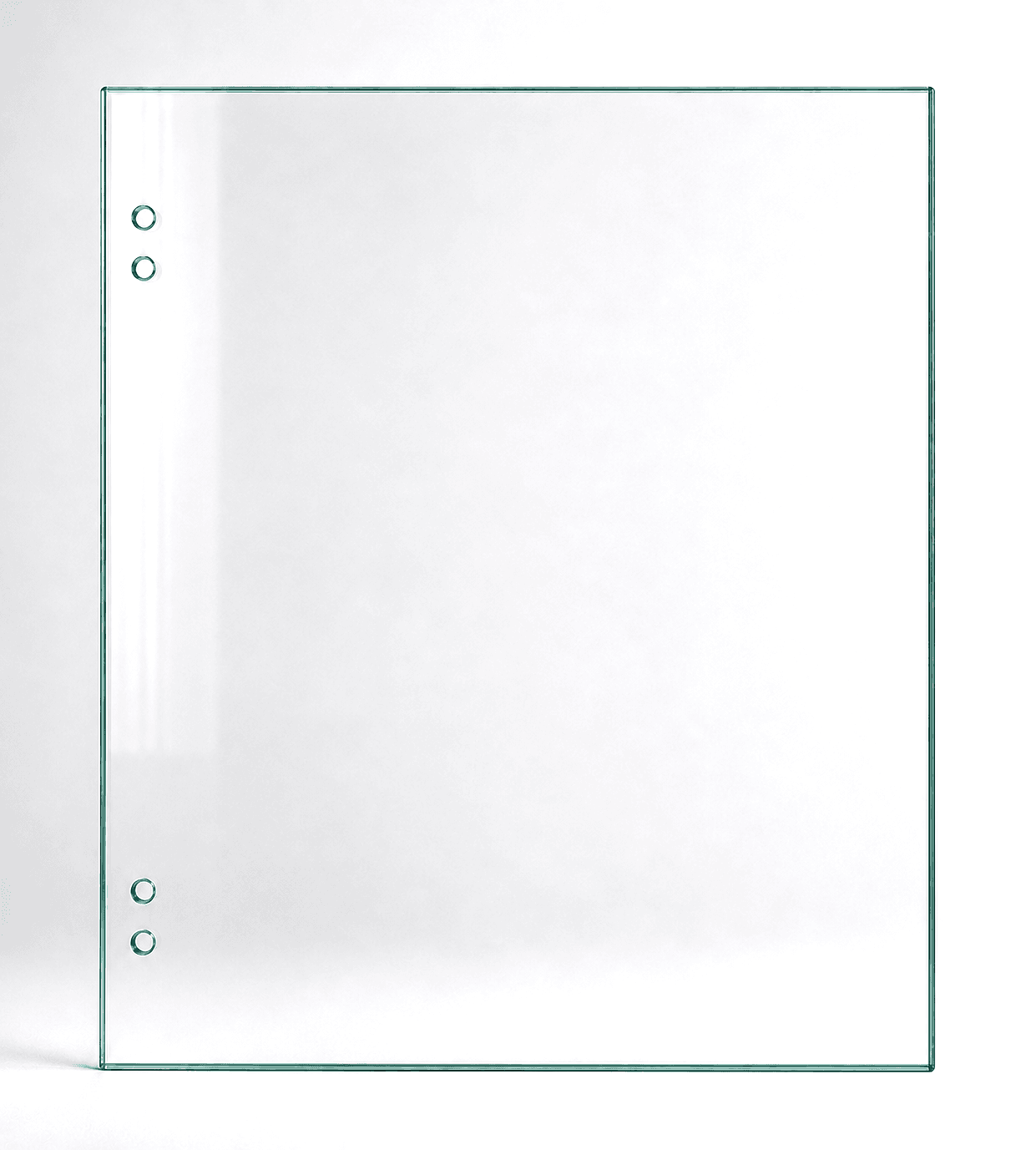
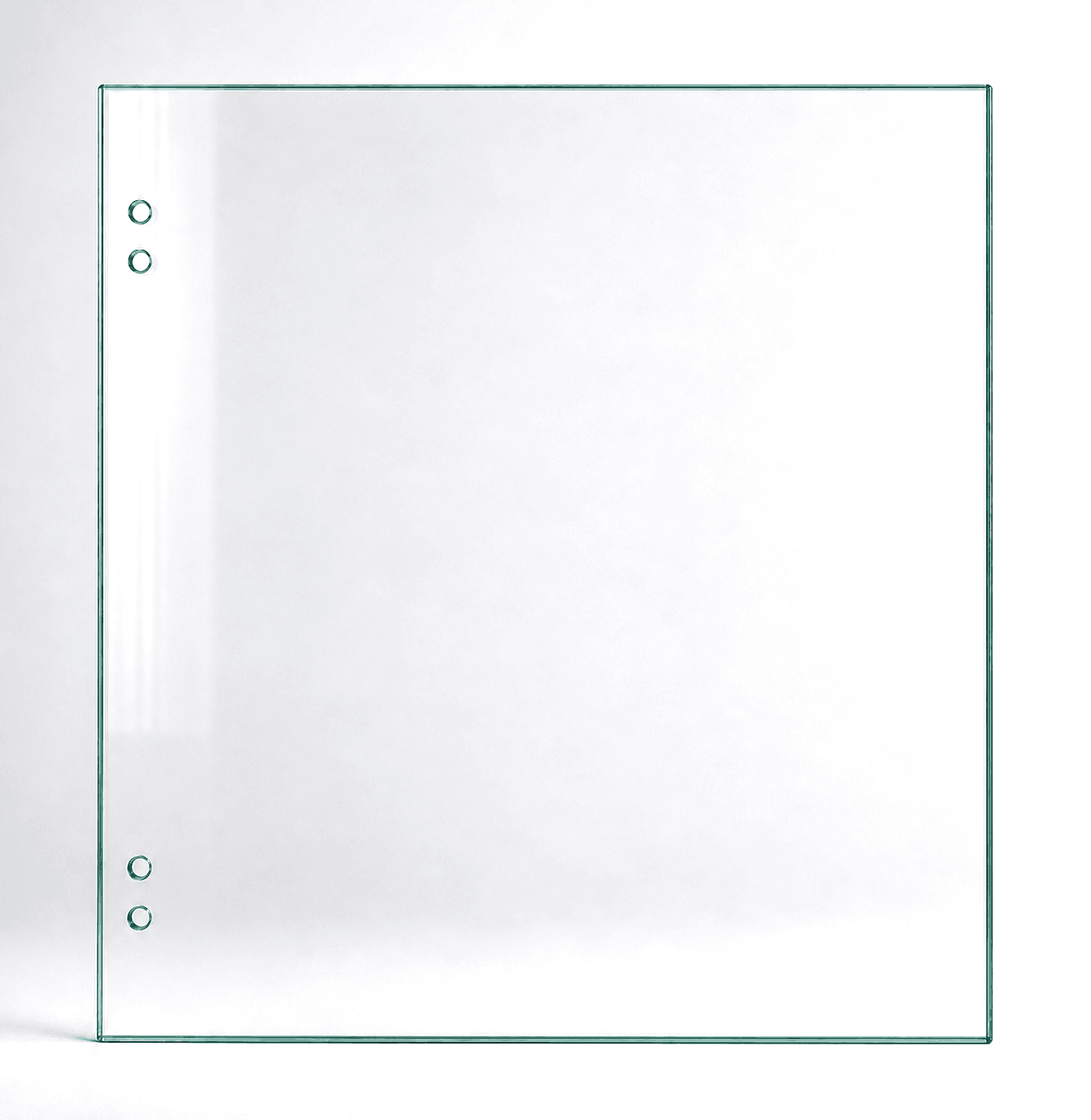
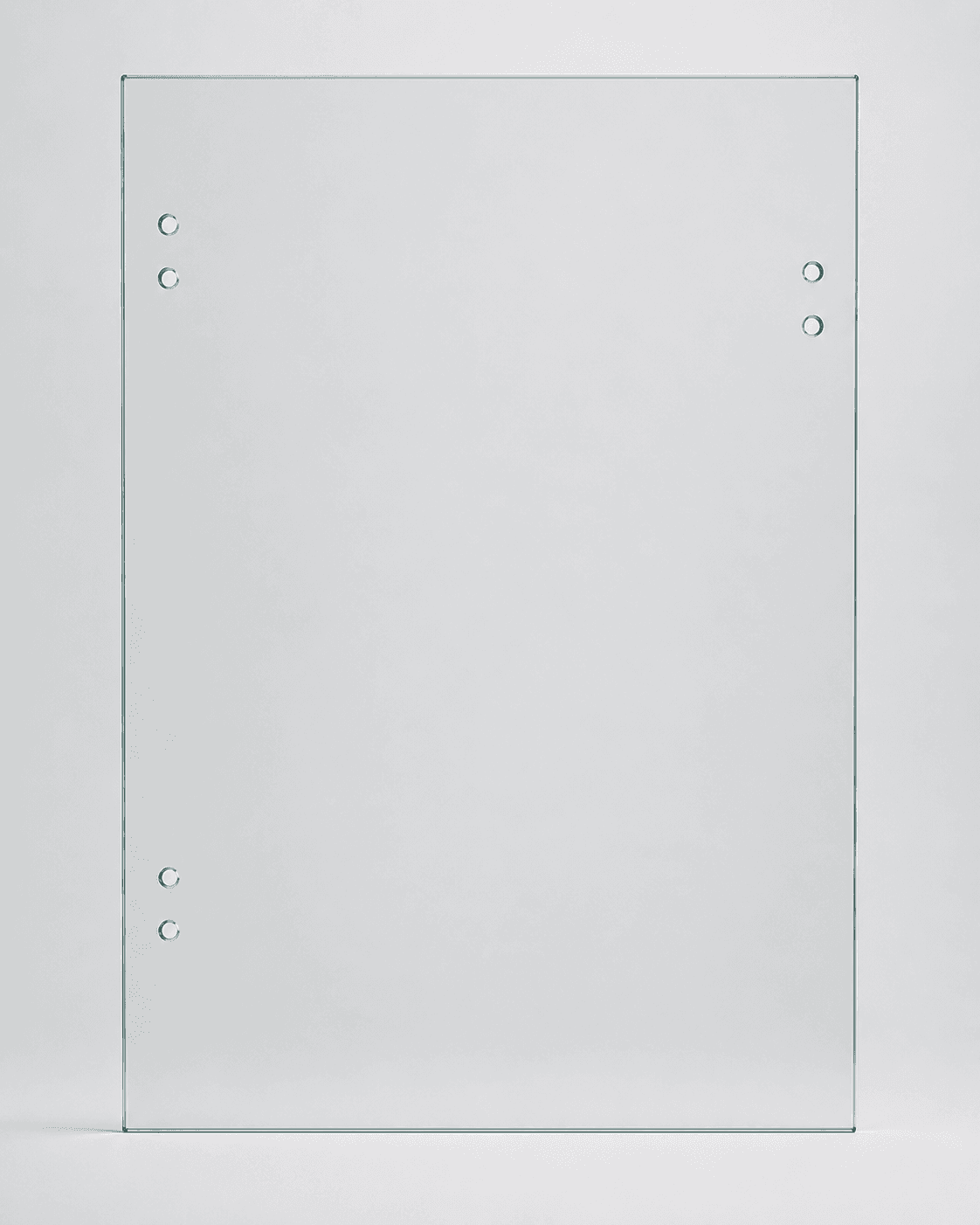
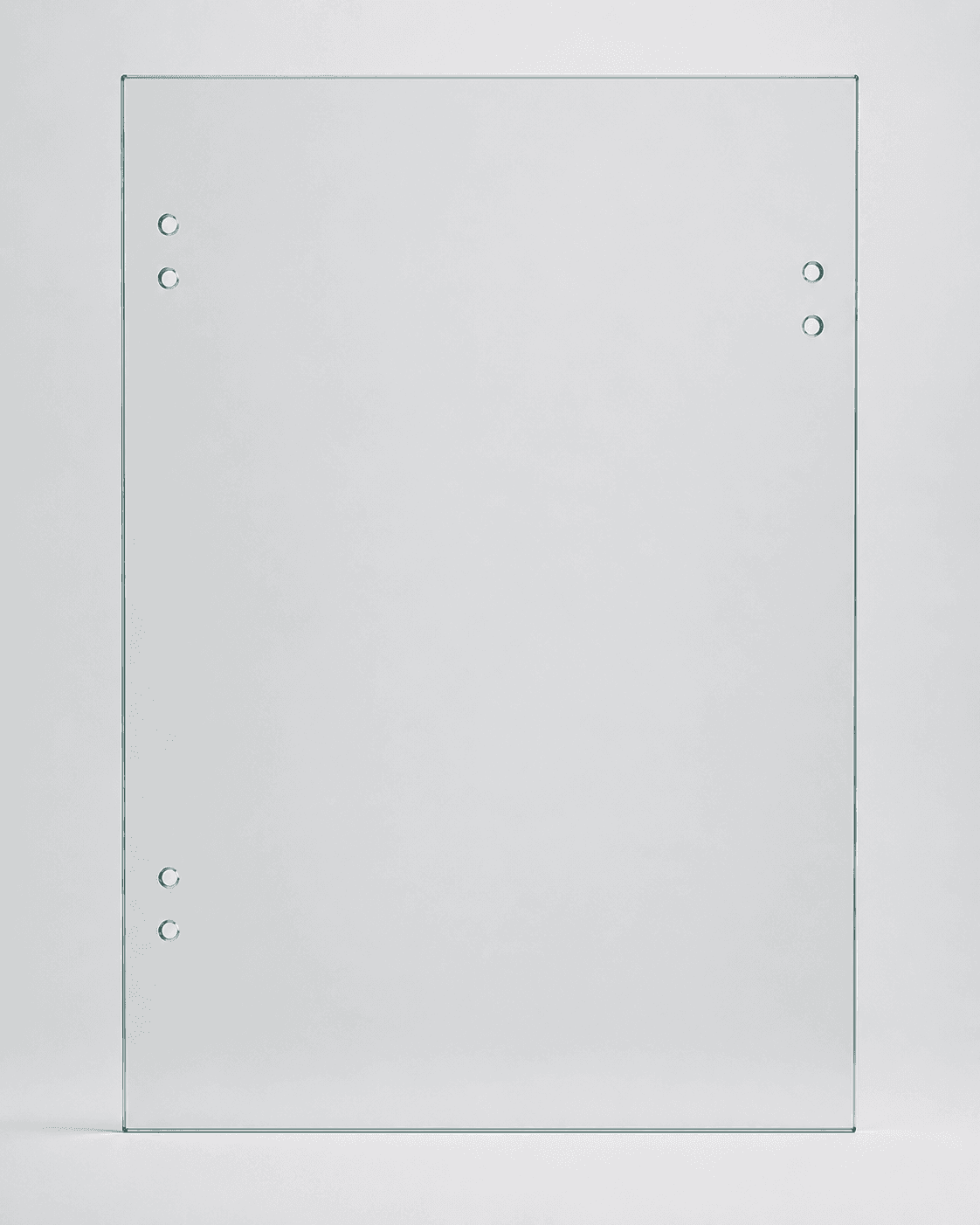
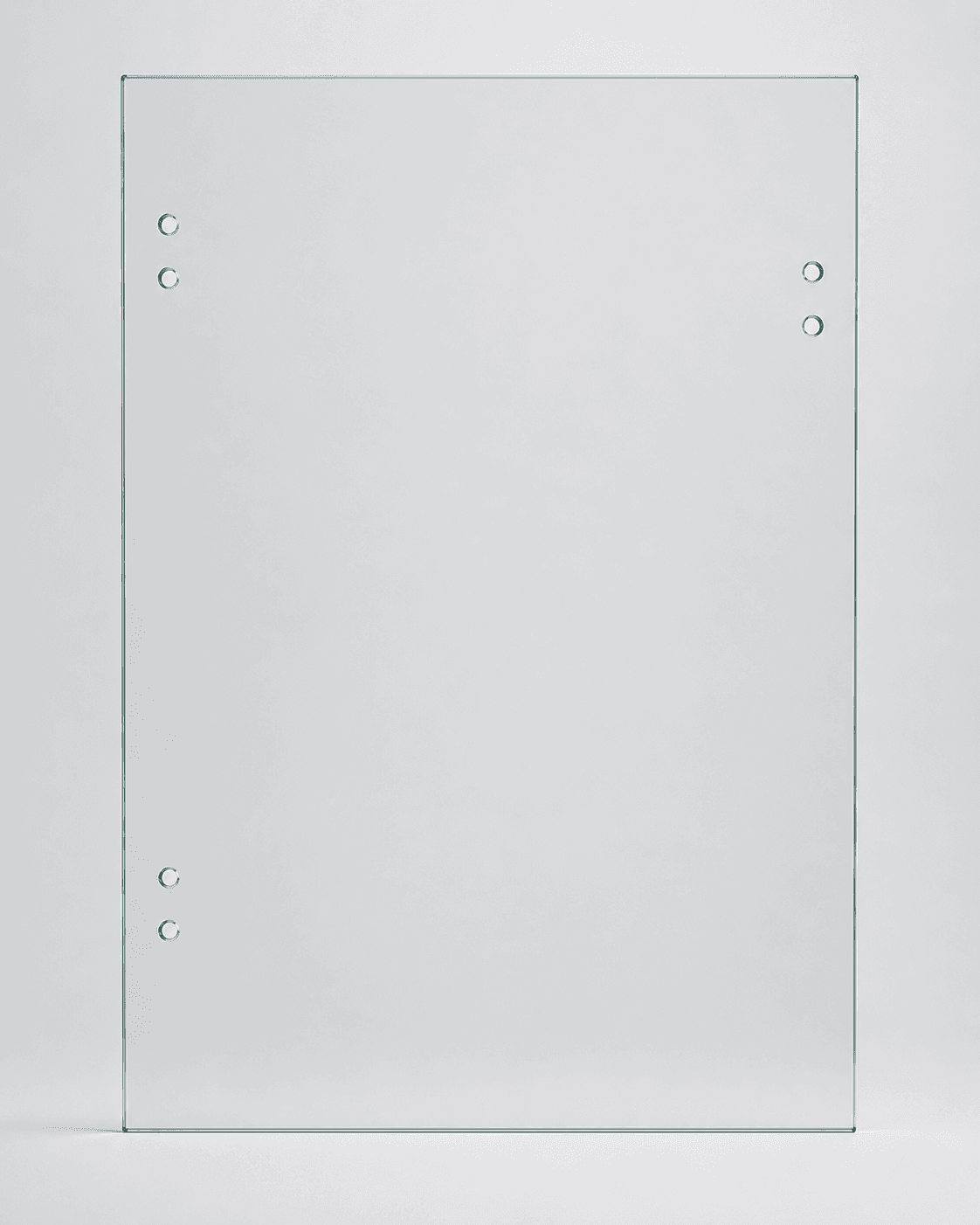
- The glass. 12mm toughened safety glass to AS/NZS 2208. It can't be cut or drilled once toughened, so every panel is a fixed manufactured size - the calculator solves the right combination of widths to fill your runs without gaps.
- The spigots. Marine-grade stainless, holding each panel vertical. Two mounts: core-drilled into a concrete slab and grouted (cleanest, most common on new pools), or base-plated, bolted down where you can't drill (tiled slab, timber deck). The calculator asks your surface and picks the fixing.
- The family. Madrid Pool is the default, popular, cost-effective, right for most pools. Other families differ on finish and alignment; How to Choose the Right Spigot covers them.
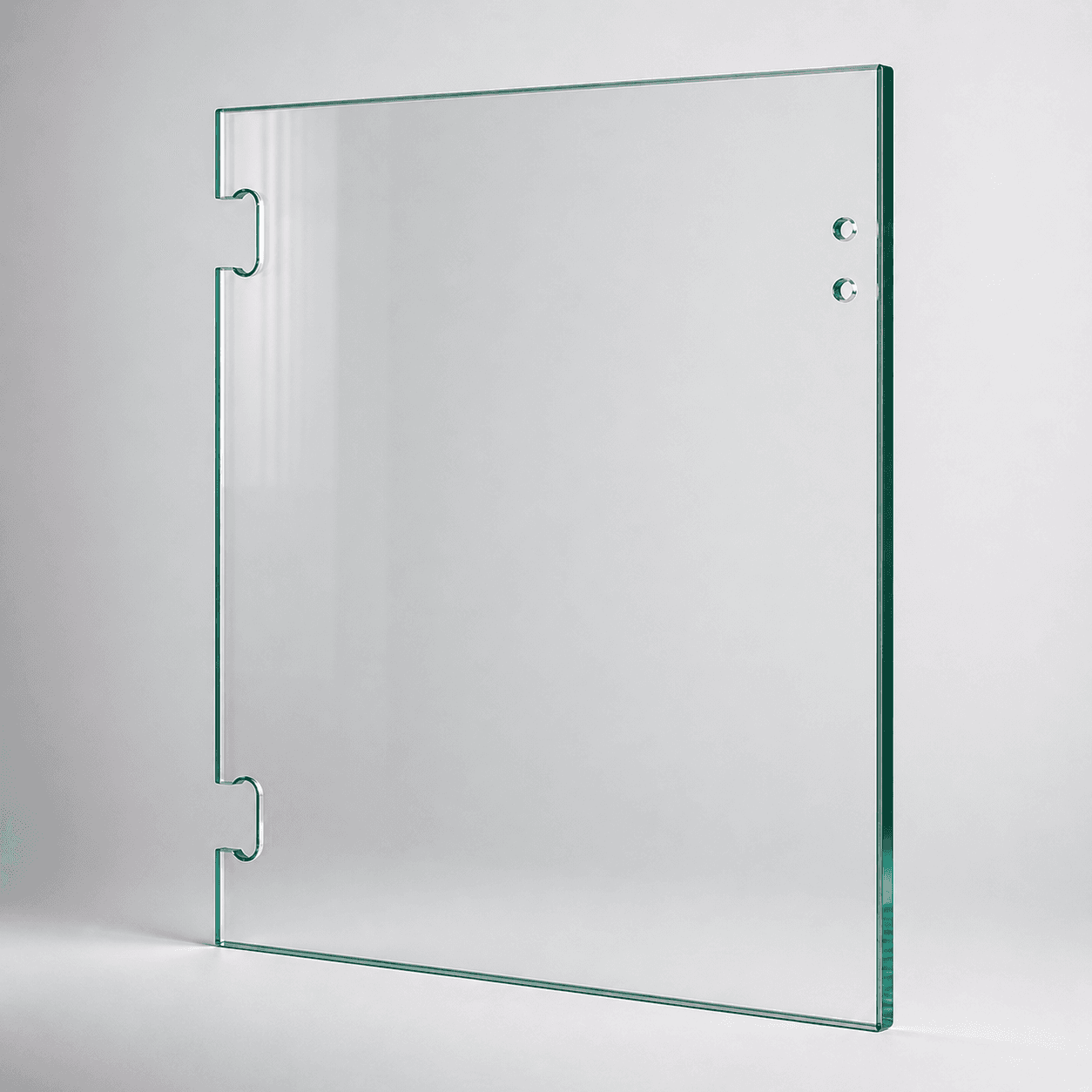
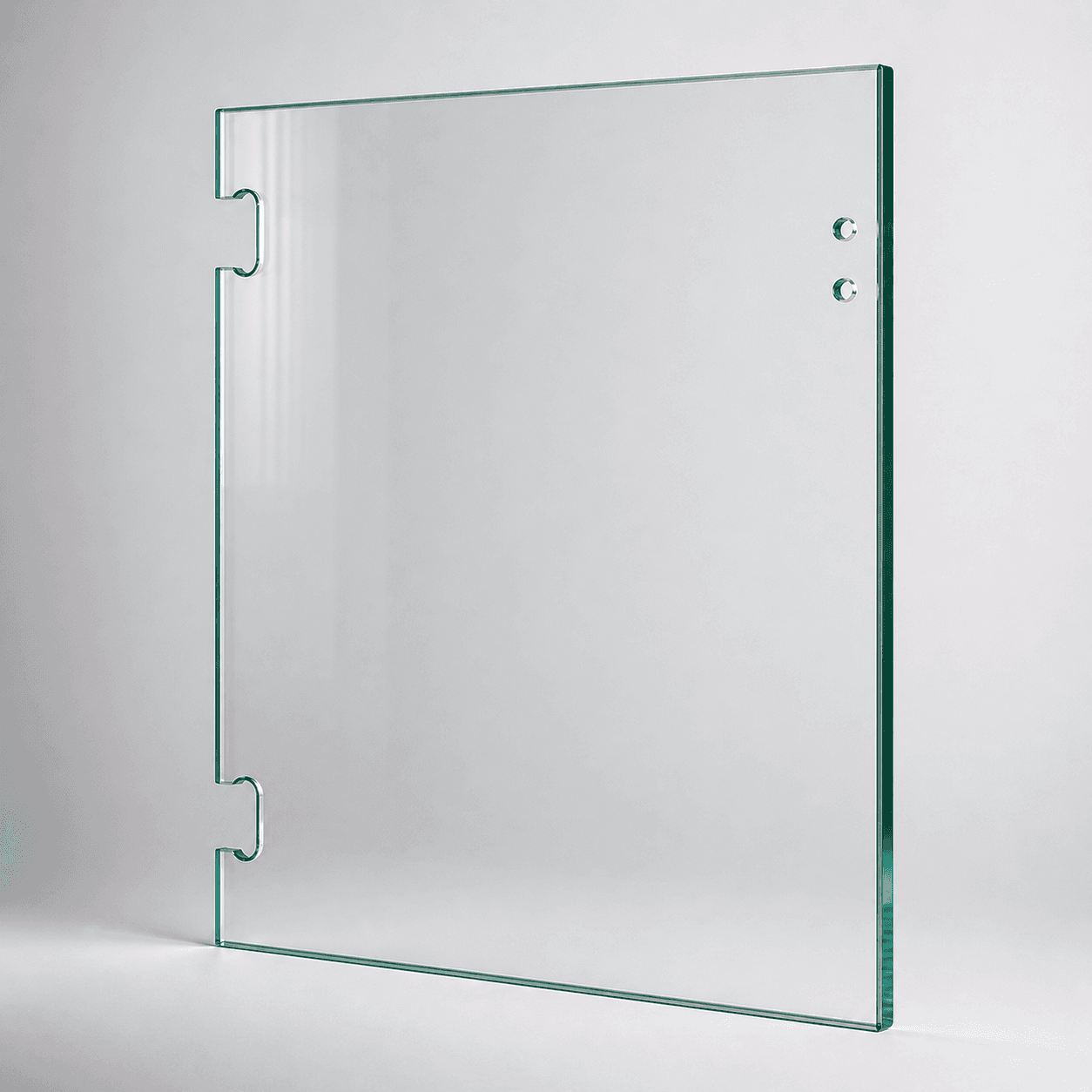
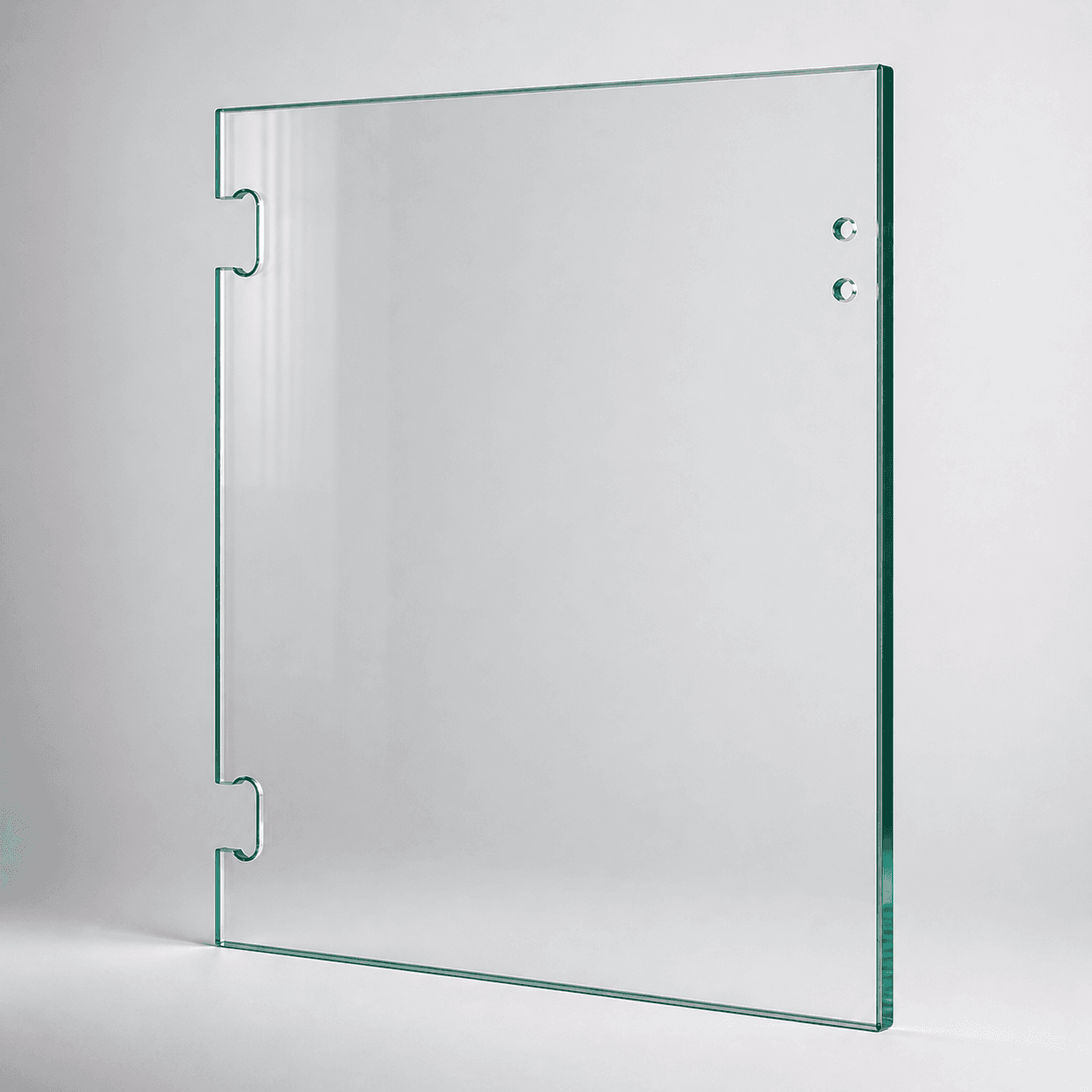
- The gate. Self-closing, self-latching hardware is a hard rule - the calculator includes compliant hinges and a latch.
| Core-drill | Base-plate | |
|---|---|---|
| Surface | A concrete slab you can drill | Tiled slab or timber deck, can't drill |
| Finish | Cleanest, grouted in | Bolts down, base plate visible |
| Common on | New pools | Existing / finished surfaces |
The clean look: and yes, you can DIY it
Frameless glass pool fencing is the clean, view-keeping barrier everyone wants around a pool: 12mm toughened panels held upright by discreet stainless spigots - no posts, no rails, just clear glass between you and the water. Spigot-mounted is the most popular frameless system and the most DIY-friendly: the panels clamp into a pair of spigots fixed to your slab or deck, and that's the whole structure.
Most fencing companies will tell you a frameless pool fence has to go in by a pro. The honest reason it's hard isn't the lifting - it's getting panel sizes, gaps and spacing right so it passes, because toughened glass can't be trimmed on site. That's the part the calculator does: give it your runs, gate and fixing surface, and it returns a panel-by-panel plan and full parts list - glass, spigots, hinges, latches, fixings - sized to your pool and built to the rules. You order the kit, you install it, it passes.
The compliance bit, straight
Pool fencing answers to AS 1926.1. What touches your fence:
- Height. At least 1200mm, ground to top of glass.
- Gaps. Nothing that passes a 100mm sphere - under or between panels.
- Non-climbable zone. A 900mm clear zone with nothing climbable.
- Gate. Self-closing, self-latching, opening away from the pool.
- Glass. Toughened to AS/NZS 2208.
The calculator's built to these, so the plan sits inside them by design. Your finished fence still gets signed off by your council or a pool-safety inspector - rules vary by state, laid out in Pool Fencing Regulations, State by State.
Frequently asked
Can I install a frameless glass pool fence myself?
Yes. The reason it's usually pitched as a pro-only job is the planning - getting panel sizes and gaps right so it passes, since toughened glass can't be cut on site. The calculator works that out for you and supplies a kit built to the rules. The install itself is fixing spigots and setting panels; plan for a helper, the 12mm glass is heavy.
How much does a frameless glass pool fence cost?
We're supply-only, so there's no install labour in the price - you pay for materials. The calculator gives an exact materials total for your job once you enter your runs and gate, rather than a vague per-metre guess. Glass pool fencing sits at the premium end of the fencing range.
How thick is the glass?
12mm toughened safety glass, made to AS/NZS 2208. That's the standard for frameless spigot pool fencing - the glass is the structure, so it's thicker than a framed system.
Does it meet Australian pool-safety standards?
It's designed to. The calculator builds your plan to AS 1926.1 - 1200mm height, the 100mm gap rule, the non-climbable zone, and self-closing, self-latching gate hardware. Final sign-off is done by your council or a pool-safety inspector, and the exact rules vary by state.
Can the glass be cut to fit my pool?
No - once glass is toughened it can't be cut or drilled, or it shatters. Every panel is a fixed manufactured width. That's why the calculator matters - it works out the combination of standard panel sizes that fills your runs without leaving a non-compliant gap.
Core-drilled or base-plated spigots, which do I need?
It depends on your surface. Core-drilled spigots set into a hole drilled in a concrete slab and grouted in, the cleanest finish, ideal for new pools. Base-plated spigots bolt to the surface for when you can't drill (a tiled slab, or a timber deck with a proper sub-frame). The calculator asks your surface and selects the right one.
Which spigot family should I choose?
Madrid Pool is the default - popular, cost-effective and right for most pool fences. Other families differ on finish, profile and how forgiving they are to align. The calculator defaults you to the sensible choice; the Choose the Right Spigot guide covers the differences.
What about the gate?
Pool gates must be self-closing and self-latching and open away from the pool - non-negotiable under AS 1926.1. The calculator includes compliant hinges and a latch in your plan, sized to your gate panel.
Build your parts list
Your panel plan and full parts list, built to the rules, in a few minutes. Or ask Joe first.
Open the calculatorBrowse products
Not sure what you need? Use the calculator above.
346 products


POOLMAD-SBP-B
Pool Madrid base-plated spigot in Matt Black - SS2205 heavy-duty surface-mount pool-fence spigot.
$67.95inc GST

POOLMAD-SBP-MW
Pool Madrid base-plated spigot in Matt White - SS2205 heavy-duty surface-mount pool-fence spigot.
$67.05inc GST

POOLMAD-SBP-P
Pool Madrid base-plated spigot in Polished - SS2205 heavy-duty surface-mount pool-fence spigot.
$57.18inc GST

POOLMAD-SBP-S
Pool Madrid base-plated spigot in Satin - SS2205 heavy-duty surface-mount pool-fence spigot.
$57.18inc GST

RIO-SBP-MW
Rio base-plated spigot in Matt White - SS2205 round-profile surface-mount pool-fence spigot.
$77.14inc GST


RIO-SBP-S
Rio base-plated spigot in Satin - SS2205 round-profile surface-mount pool-fence spigot.
$60.54inc GST


MAD-M12KIT
Madrid M12 timber fixing kit - lag-screw fixings for Madrid base-plated spigots into timber.
$13.26inc GST


MADDEL-TF-B
Madrid Deluxe TOP-FIX spigot in Matt Black - SS2205 surface-mount Deluxe pool spigot.
$96.31inc GST

MADDEL-TF-MW
Madrid Deluxe TOP-FIX spigot in Matt White - SS2205 surface-mount Deluxe pool spigot.
$101.05inc GST

MADDEL-TF-P
Madrid Deluxe TOP-FIX spigot in Polished - SS2205 surface-mount Deluxe pool spigot.
$87.75inc GST

MADDEL-TF-S
Madrid Deluxe TOP-FIX spigot in Satin - SS2205 surface-mount Deluxe pool spigot.
$87.75inc GST

MAD-FACEM-3PKR-B
Madrid face-mount packer set in Matt Black - packer washers for face-mount spigot offset.
$7.85inc GST

MAD-FACEM-3PKR-P
Madrid face-mount packer set in Polished - packer washers for face-mount spigot offset.
$6.75inc GST

MAD-FACEM-3PKR-S
Madrid face-mount packer set in Satin - packer washers for face-mount spigot offset.
$6.75inc GST


















PSC-125PLATE-RP-P
Polaris 125 series replacement round plate in polished - round-post back plate component for the Polaris 125 hinge body.
$29.55inc GST

PSC-125PLATE-RP-S
Polaris 125 series replacement round plate in satin - round-post back plate component for the Polaris 125 hinge body.
$29.55inc GST


PSC-125PLATE-SP-S
Polaris 125 series replacement square plate in satin - square-post back plate component for the Polaris 125 hinge body.
$29.55inc GST


Not sure what you need?
Use the calculator to build your exact, compliant materials list, priced and ready to buy.